
Air Jordan vs Standard Nike Shoes: Essential Contrasts Decoded
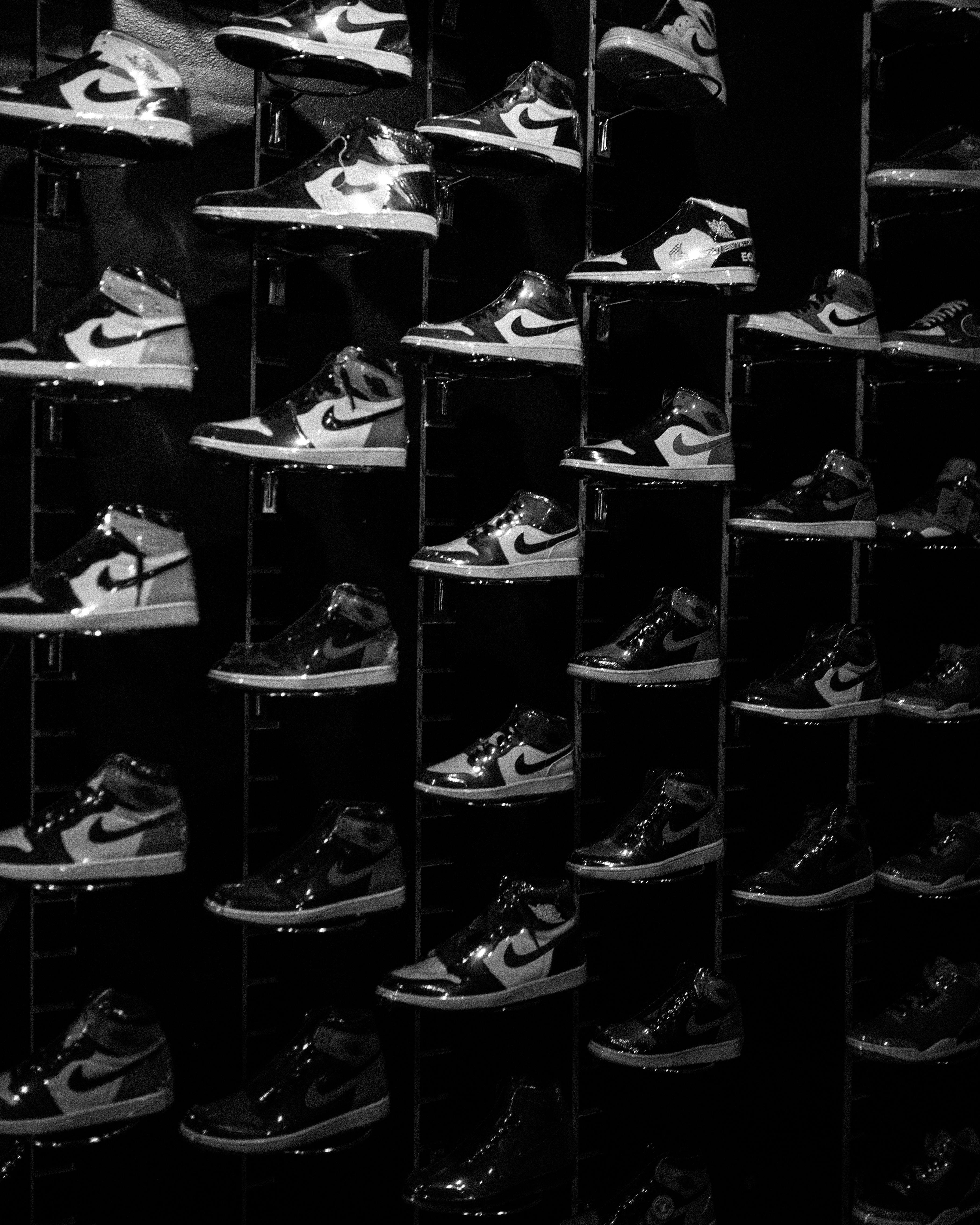
Visit any footwear retailer in 2026 and you’ll see Air Jordans sitting next to mainline Nike models like the Air Force 1, Air Max, and Dunk — but despite sharing a parent company, these kicks occupy fundamentally different categories in terms of creative direction, cost, cultural weight, and target demographic. The confusion is reasonable: Jordan Brand runs under the Nike banner, every Air Jordan includes Nike Air technology, and both brands share supply chains. Yet the distinctions are significant and worth understanding, particularly when deciding where to allocate your footwear spending. Air Jordans carry steep asking prices that can be twice or three times equivalent Nike shoes. This breakdown investigates the main distinctions across brand DNA, design, technology, price tiers, culture, and aftermarket performance.
Corporate Identity and Corporate Framework
Jordan Brand exists as a subsidiary of Nike, Inc., but behaves with significant independence shaping design direction, marketing, and distribution channels. Nike landed exclusive rights to Michael Jordan’s name and likeness in 1984 with a five-year, $2.5 million agreement that has since expanded into a relationship generating an reported $150 million annually in licensing royalties to Jordan personally. In 1997, Nike formally split the Jordan label into its own company with a dedicated design staff, marketing division, and brand CEO — currently Craig Williams, who leads a business that brought in approximately $6.6 billion in income during fiscal year 2025. Regular Nike sneakers sit under the broader Sportswear and Basketball units, sharing budgets and brand equity across dozens of collections from running to gym to everyday. The All Jordans collection Jumpman logo — derived from a renowned photo of Jordan during the 1988 Slam Dunk Contest — is legally separate from the Nike Swoosh and represents a distinct image that shoppers see as more premium and premium. This business framework means Jordan Brand controls supply more tightly, constraining supply to preserve hype in ways that the general Nike lineup, with its mass-market mandate, typically does not.
Design Approach and Visual Identity
The design approach behind each brand contrasts on a basic level in inspiration and artistic vision. Every signature Air Jordan model was built to reflect Michael Jordan’s character and passions — the Jordan 9 was inspired by global motifs, the Jordan 15 from a F-15 jet, the Jordan 33 from outer space. Nike’s regular offerings prioritize versatility and broad appeal, creating timeless shapes like the Air Force 1 and Air Max 90 that are versatile rather than concept-heavy. Jordan Brand uses a leaner design team that produces less product but channels more time into each, resulting in more powerful unique personalities. Material choices on Jordans lean toward the bold — patent leather, elephant print, carbon fiber — while Nike mainline shoes rely on tried-and-true fabric choices. Collaboration strategies also split: Jordan teams up with high-end labels like Dior and A Ma Maniére, while Nike partners more widely across sportspeople and creatives.
Technology and Performance
Both brands use Nike’s proprietary technologies, but rollout schedules vary. Jordan performance shoes often launch new technologies first — the Jordan 28 premiered a Flight Plate that eventually impacted Nike’s broader product range. Jordan’s court shoes integrates Zoom Air, React foam, and Formula 23 midsole tech in proprietary setups. Mainline Nike basketball shoes like the LeBron and KD series incorporate the same foundational technologies but are optimized for different wearers’ body mechanics. For lifestyle and retro shoes, the divide narrows — a retro Air Jordan 1 and an Air Force 1 both use simple encapsulated Air. Nike’s running department dominates in cushioning tech with ZoomX and Alphafly, innovations missing from Jordan products since the line doesn’t manufacture running shoes. The key point: for basketball, both brands present solid technology, but Jordan directs innovation on a narrower catalog.
| Attribute | Air Jordan | Mainline Nike |
|---|---|---|
| Average Retail Price | $180–$250 | $90–$180 |
| Annual Revenue (2025) | ~$6.6 billion | ~$45 billion (total Nike) |
| Supply Model | Limited, controlled | Wide distribution with select limited |
| Primary Logo | Jumpman | Swoosh |
| Average Resale Value | 120–400% of retail | 80–150% of retail |
| Primary Audience | Collectors and enthusiasts, 18–40 | Broad consumer base, all ages |
| Athletic Categories | Basketball, Lifestyle, Golf | Running, Hoops, Training, Soccer, and more |
Pricing and Value Proposition
The cost difference is one of the first things customers notice. In 2026, Jordan retro releases retail between $180 and $250, while similar Nike lifestyle shoes retail between $110 and $170 — a 40-60% premium for the Jordan name. This premium is driven by higher-quality materials, more limited output, Jordan licensing expenses, and brand cachet that supports willingness-to-pay. For on-court basketball, the disparity is less pronounced — a Jordan Tatum 3 is priced around $130 while a Nike KD 17 is priced at $150. The cost-benefit analysis changes considerably on the resale market, where scarce Jordans regularly sell for 200-500% of retail while most Nike general releases decline below original price within a few months. For raw performance at a fair price, Nike presents better cost efficiency; for social currency and investment upside, Jordans validate the higher cost.
Cultural Impact and Social Currency
The cultural capital of Air Jordans far exceeds any general Nike lineup. Jordans are linked to Michael Jordan’s story — six championships, five MVPs, ten scoring titles — and every pair possesses an built-in tie with the greatest athlete of the 20th century. In music, Jordans have been cited in over 5,000 rap tracks since 1985, compared to approximately 2,000 for all other Nike products combined. The sneaker resale economy, valued at over $10 billion in 2026, draws 35-40% of trading volume from Jordan products on marketplaces like StockX. Social channels reveals a comparable story: Jordan launch news produce 3-5 times more engagement than comparable Nike mainline releases. Sporting Jordans communicates membership in a specific group and recognition for sporting history that goes beyond the tangible item.
Resale Market Dynamics
The resale space is where the contrast turns most measurable. Limited Jordans sell out within minutes and earn markups of 50-300% on resale platforms, while most Nike releases sit on shelves at or under retail for weeks. StockX pricing data demonstrates the typical Jordan retro keeps 120% of original retail one year after launch, while the typical Nike casual sneaker retains only 75%. The most notable example: the Travis Scott x Air Jordan 1 Low “Reverse Mocha” reached $2,100 — roughly 1,400% of its $150 retail price. Even successful Nike partnerships like Off-White Dunks almost never surpass 500% of MSRP. For buyers regarding sneakers as investments, Jordans deliver a solid case, though GR drops can drop under retail as well.
Which Label Should You Choose
The “ideal” option depends entirely on your values, routine, and finances — there is no universally correct answer, only the decision that aligns with what you genuinely care about in shoes. If you’re a basketball fan, dedicated collector, or someone who treasures cultural status and aftermarket value, Air Jordans provide a mix of heritage, rarity, and tribal belonging that standard Nike products are unable to rival at any price point. If you need easy-to-wear, adaptable daily shoes across various activity types and lifestyle needs with reduced pricing and wider access, Nike’s mainline catalog presents exceptional build quality without the premium pricing or acquisition stress connected to Jordan launches. Cost-aware consumers can build great Nike lineups for the equivalent cost of two or three Jordan retros, and Nike’s mainline models regularly employ identical cushioning technology at markedly lower price points. The best strategy for many sneakerheads in 2026 is a blended rotation — statement Jordans for standout moments alongside dependable Nike runners and lifestyle shoes for daily use. Both brands are backed by Nike’s industry-leading production, material sourcing, and quality control, so not one of them constitutes a poor investment in product quality. Recognizing that Air Jordan and Nike address different emotional and practical needs — rather than treating them as the same thing — leads to wiser spending decisions and a more enjoyable sneaker rotation overall.
Check out the catalogs at Jordan Brand and Nike.com.